Visiting the Amazon was a bit like seeing a zebra in the wild - it’s like this thing that I’ve known about forever, that I cite quotes and statistics about at work (did you know that deforestation can flip the Amazon from a carbon sink to a carbon source), and yet I’d never seen it in person before or fully grasped what it entailed. And so visiting the Amazon was high up on the list for me, and I found a Peru t that would include it as part of the itinerary.
Why is the Amazon a big deal? The Amazon is the world’s largest tropical rainforest, and represents half the volume of rainforests in the world. Our guides told us that the Amazon rainforest cuts across 5 countries (although online it states 9 so that seems to be more reliable), and that it used to be 6 but in Paraguay all the rainforest was destroyed for commodities such as soybeans. There are different types of habitats in the Amazon rainforest, depending on the altitude - at the lowest level is the jungle (which interacts with water), followed by the rainforest (which was what we visited), and higher up there is the cloud forest. The largest jungle stretch is in Brazil, whereas there is a low % of jungle in Peru. So what you see depends on which part of the Amazon that you visit. We visited from Puerto Maldonado in Peru. From the airport, it was a 30ish minute drive and then a 2h boat ride to get to Tambopata reserve.
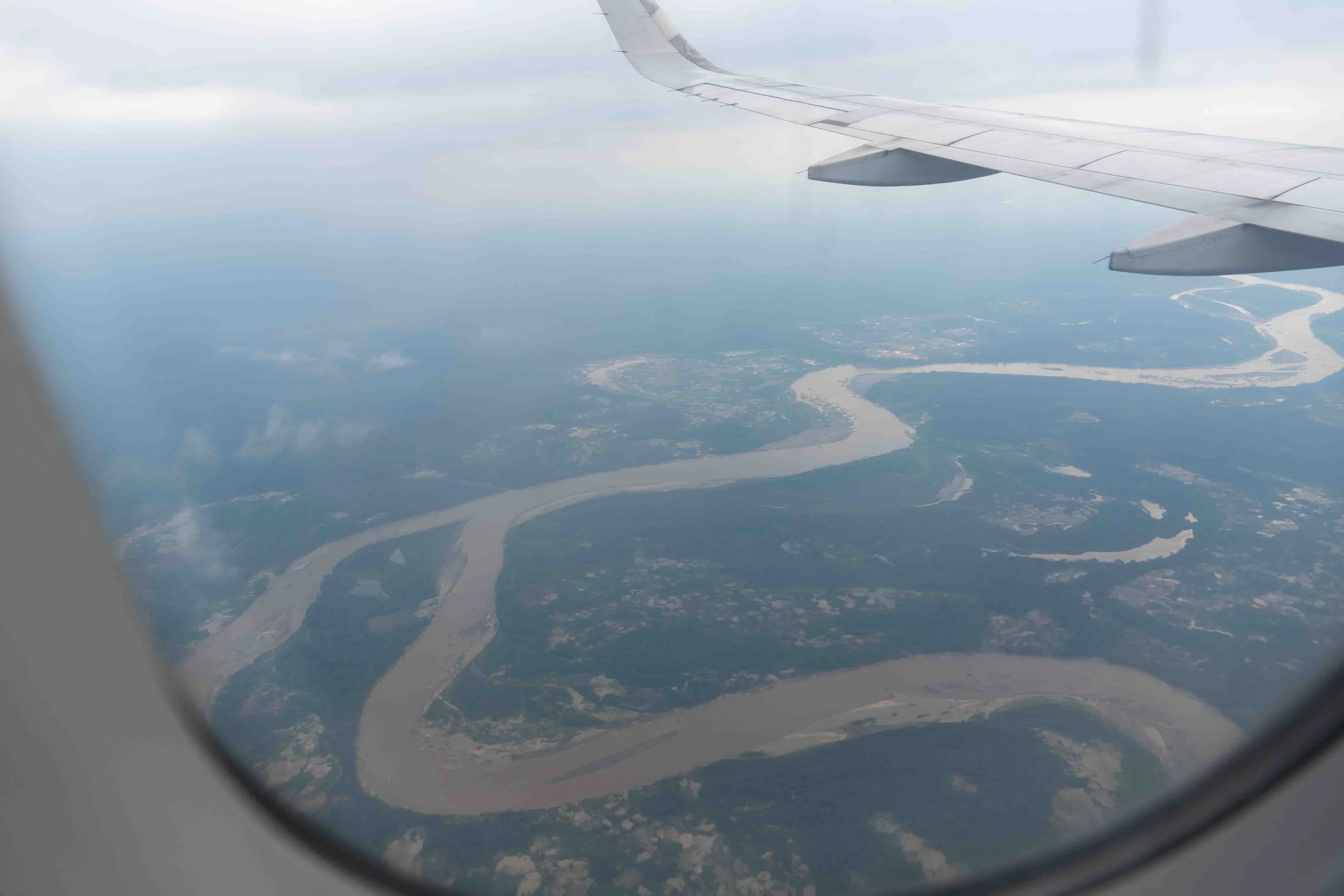
Flying from Lima to Puerto Maldonado, I got lucky with a window seat and could see the chocolate coloured Amazon river from the sky.
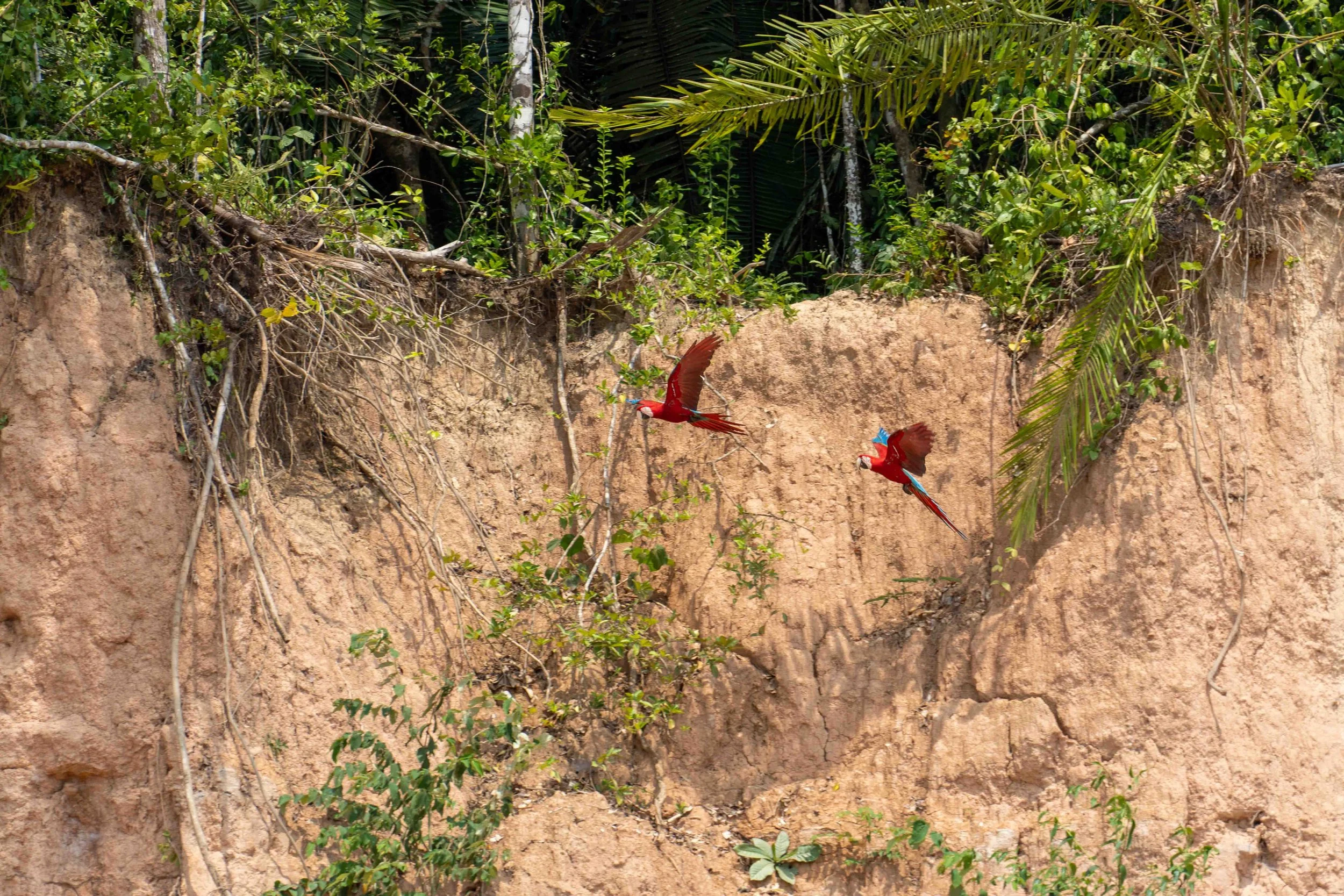
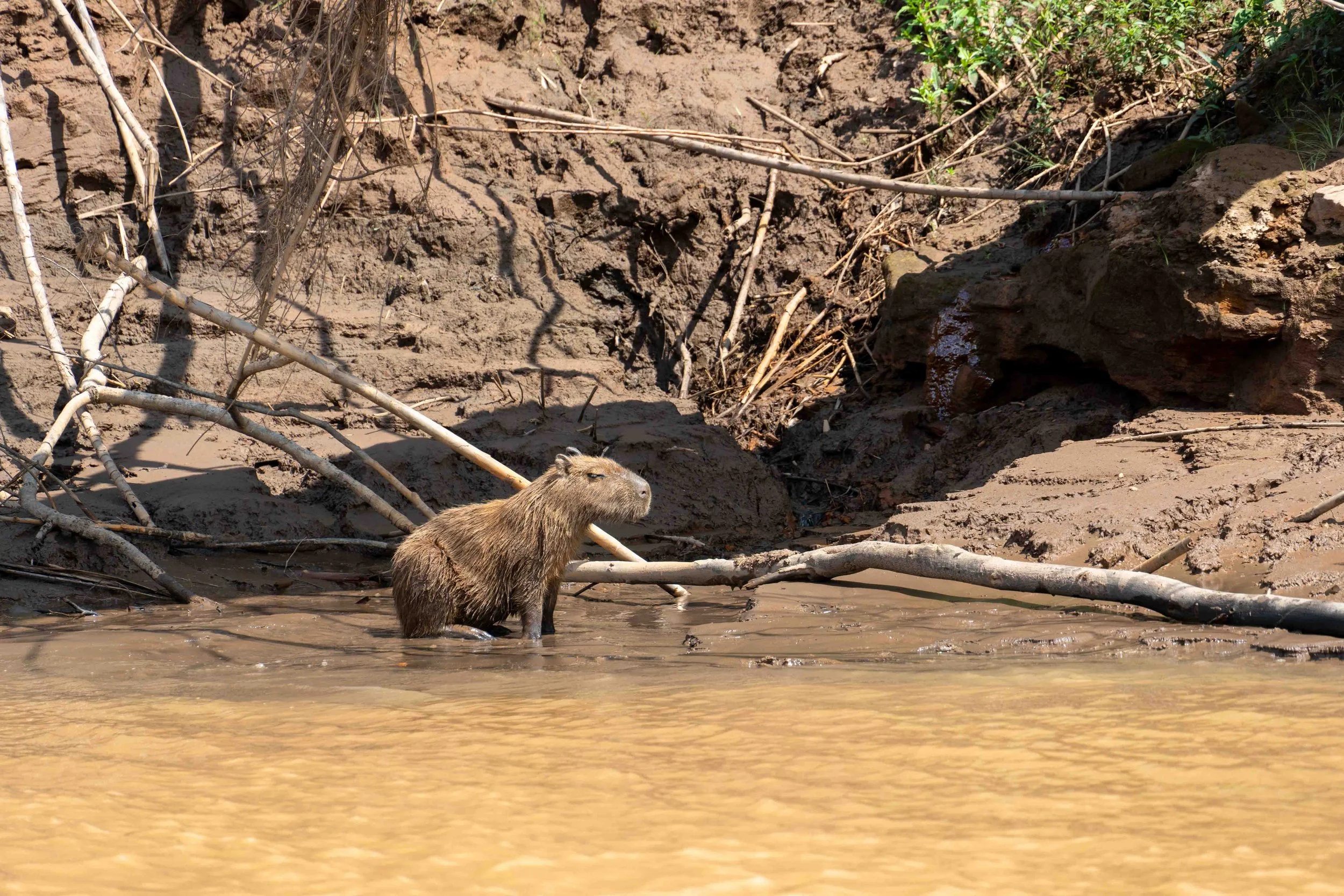
Taking the river boat in, it was beautiful to see the colourful macaws flying along the canopy. We also spotted a caiman (similar to an alligator) as well as a family of capybaras.
I’ve always known that the Amazon was a rainforest (obviously), but I was actually surprised by how similar it was to the rainforests that we have in Asia. The Amazon felt more familiar than mindblowingly amazing or different. While there are of course different animals to be spotted, there is indeed quite a bit of similar flora and fauna as well (e.g. cicada!). We did a night walk and also a morning botanical walk, both of which felt reminiscent of the field trips that I had while studying ecology in school. This was interesting to observe and I guess I should have expected it - in that case I wonder if it makes sense to try to organise more trips for people to visit rainforests in Asia, given travelling all the way to the Amazon is not feasible for everyone.
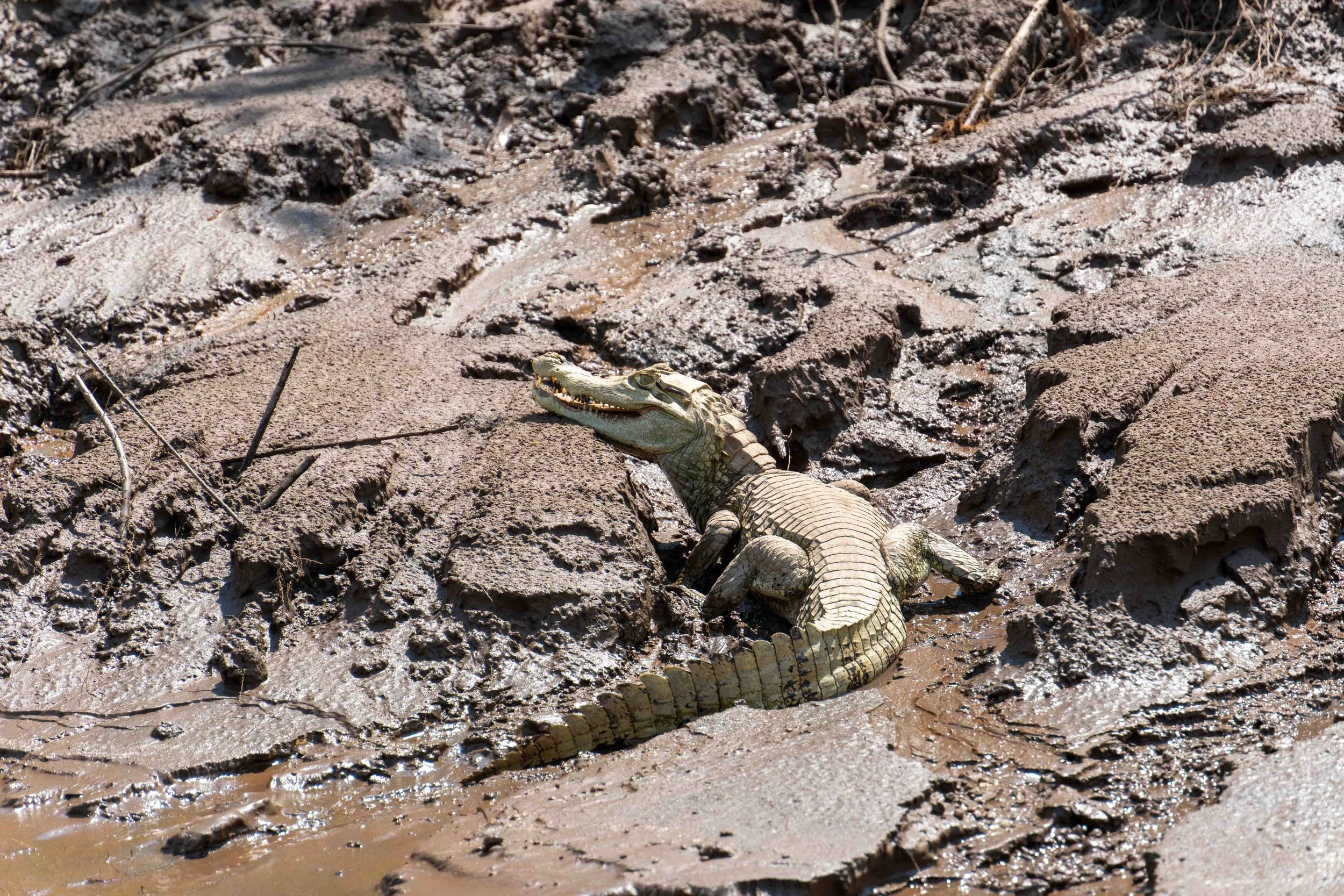
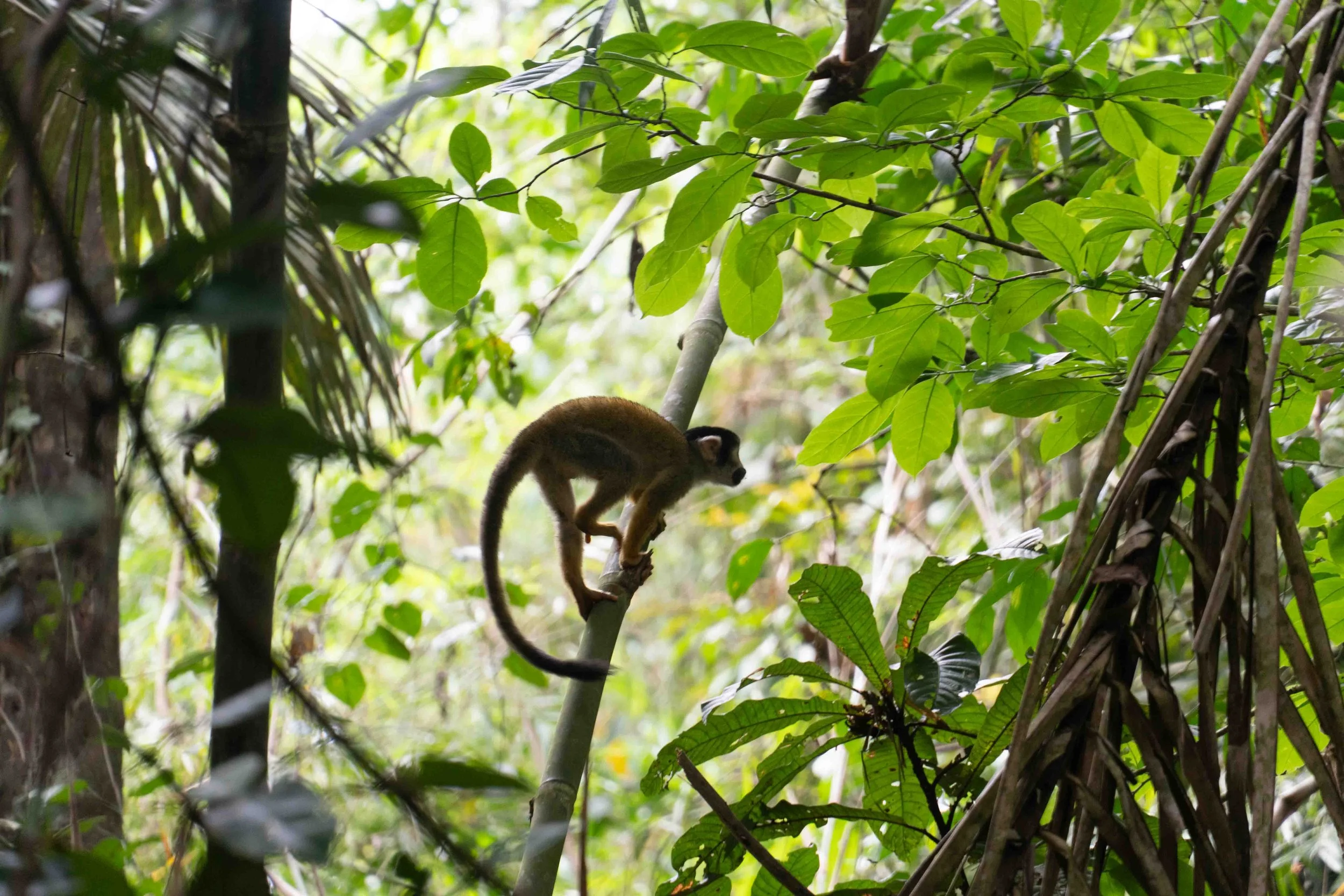
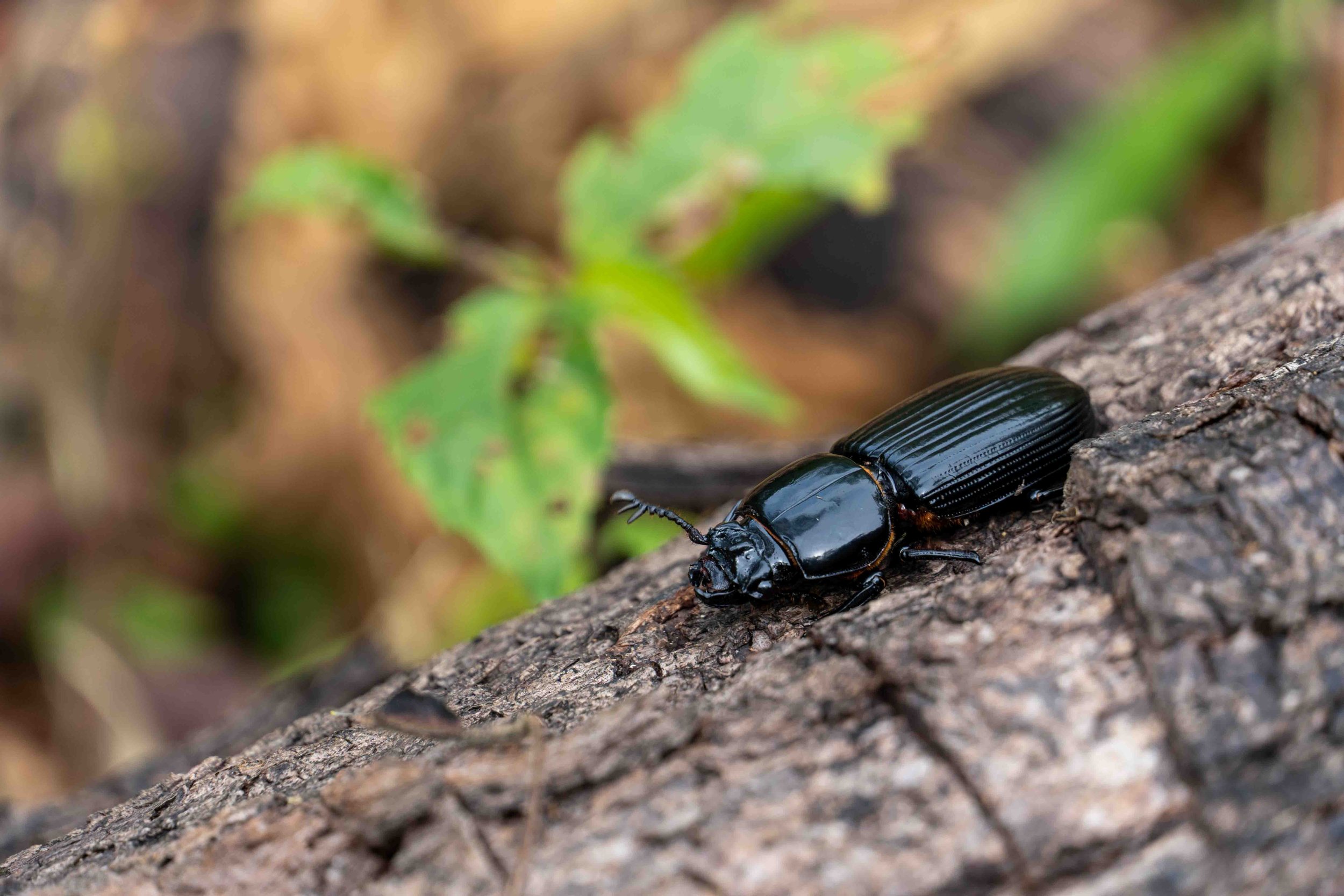
On our second day, we also visited an oxbow lake. Each lake in the Amazon rainforest has its own dominant species. In this case, it was the river otter. Unfortunately we didn’t have any luck spotting it, but we did see more cayman and also a dead anaconda. The guides suspected that the anaconda had its head chopped off by a human and the body was subsequently eaten by other creatures. Sparing everyone the images of this.
After a 2 night stay in the Amazon, we returned to the airport to fly to Cusco. Another day, another lucky window seat. Gold mining could again be seen from above, this time much more prominent at a much larger scale.
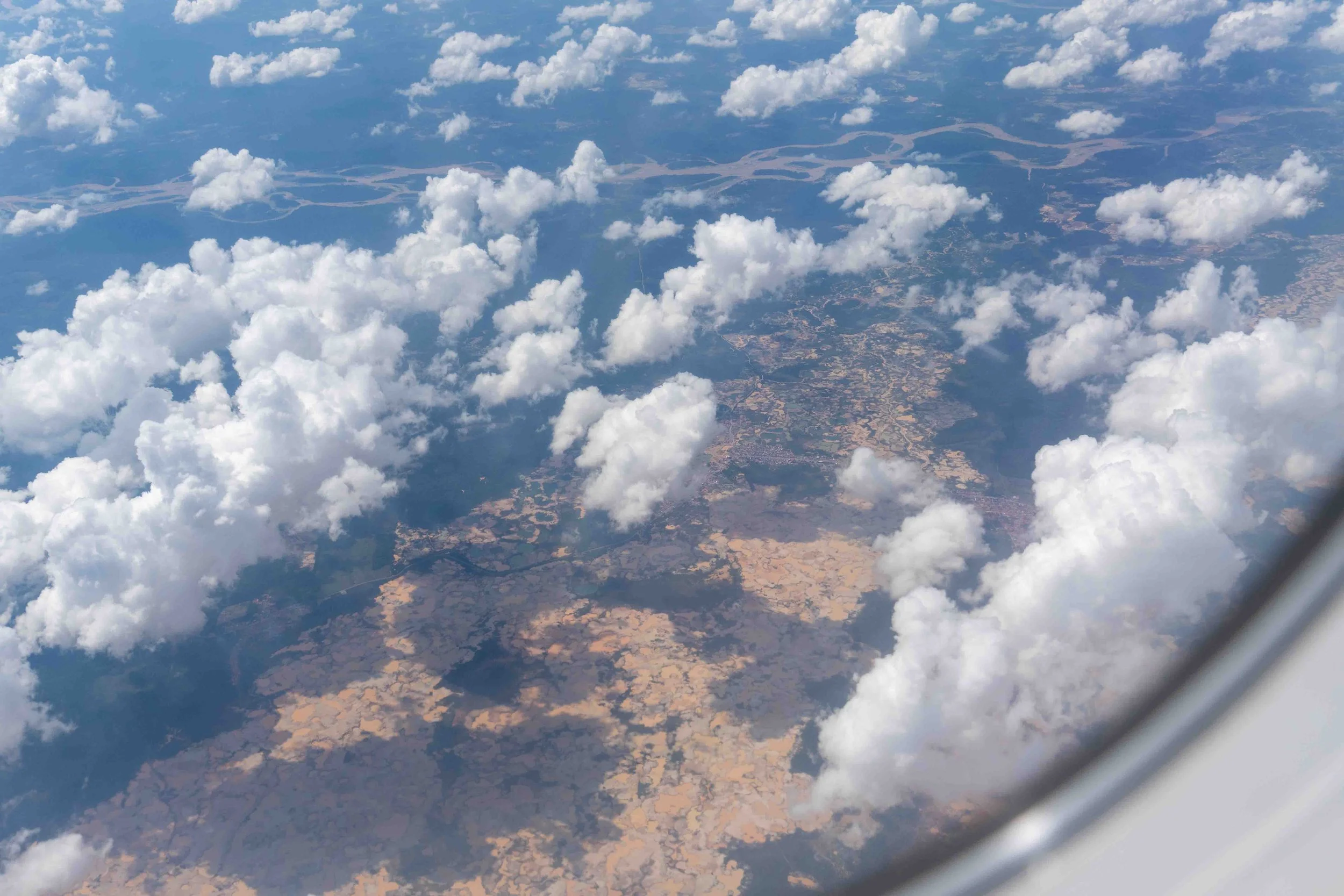
Gold mining in the Amazon is a well known and researched cause of deforestation. The removal of topsoil and the depletion of water also means that forests are unable to regenerate in these areas after gold mining.
The Amazon Mining Watch (https://amazonminingwatch.org/en#3.83/-56.58/-6.17) uses satellite imagery to track gold mining in the Amazon. Research projects are also ongoing to see how areas affected by mining can be reforested.
Coverage of the topic by Mongabay
Coverage of the topic by NBC News